
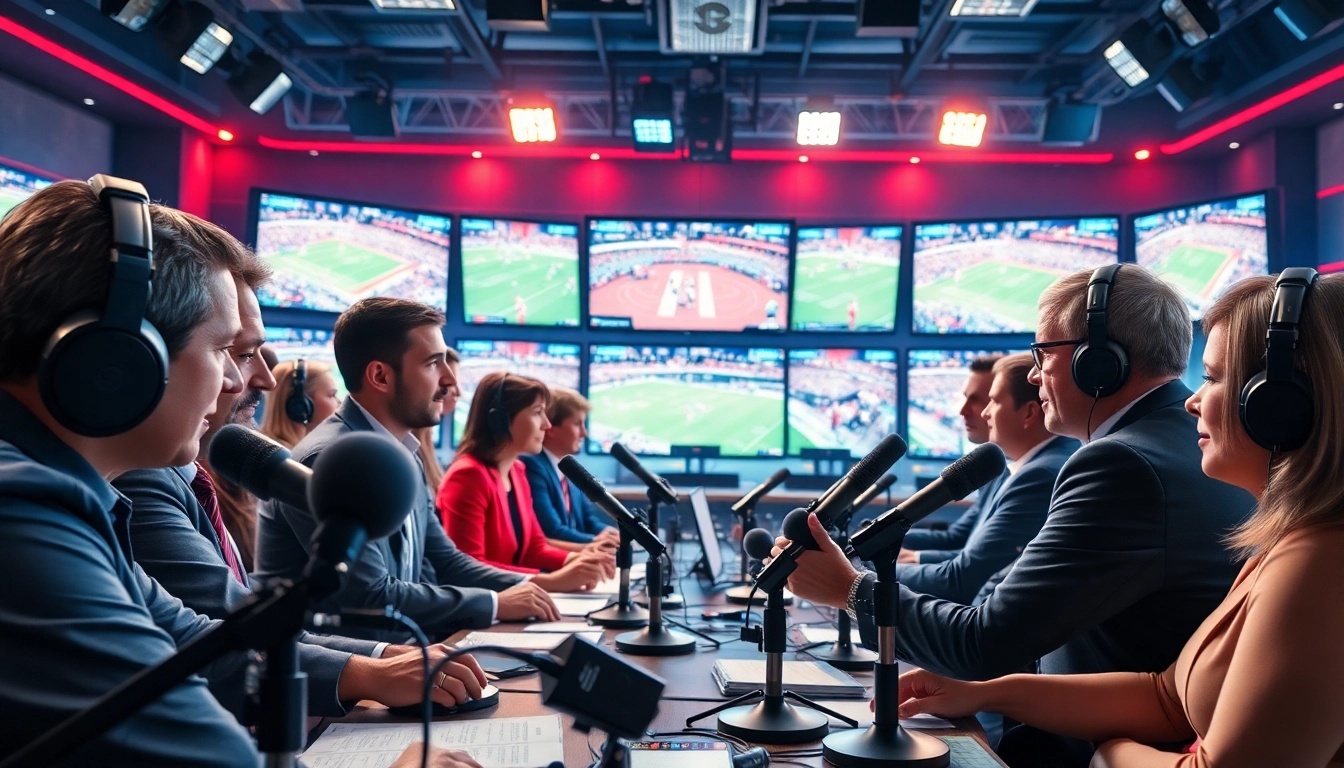
Understanding Sports Broadcasting
Sports broadcasting is a specialized field that involves the transmission of sports events and related content through various media channels, primarily television, radio, and online platforms. This dynamic sector has evolved significantly over the decades, transforming how fans connect with their favorite sports and athletes. Central to this evolution is the impact of technology and the changing behaviors of the audiences that consume sports media. In this article, we will explore the history, essential components, technological advancements, and the ever-changing landscape of sports broadcasting, providing a comprehensive overview that highlights its significance in the modern media environment.
To delve deeper into the intricacies of Sports Broadcasting, it is essential to understand its origins and evolution.
Origins and Evolution of Sports Broadcasting
Sports broadcasting traces its roots back to the early 20th century, at a time when radio emerged as a powerful medium for communication. The first radio broadcasts of sports events took place in the 1920s, with baseball being among the first sports to be transmitted. Early broadcasts were limited in scope but paved the way for the growth of sports as a popular radio programming genre.
As television technology advanced, sports broadcasting entered a new era in the 1950s. The first televised sports event, a boxing match, captivated audiences, demonstrating the unique ability of visual media to enhance the excitement of live sporting events. This marked the beginning of a golden age for sports broadcasting, as networks quickly recognized the lucrative potential of broadcasting rights.
Over the decades, the rise of cable television and satellite broadcasting further transformed the landscape, offering fans unprecedented access to a wider variety of sports events. The introduction of cable networks dedicated solely to sports, such as ESPN, revolutionized how audiences consumed sports content, leading to an explosion in broadcasting rights deals and the commercialization of sports.
Key Components of Sports Broadcasting
Sports broadcasting encompasses several critical components that work together to deliver engaging content to audiences. Understanding these elements is vital for anyone looking to master the art of sports broadcasting.
- Play-by-Play Commentary: This aspect involves a real-time narration of the game, capturing the action as it unfolds. Play-by-play commentators provide context and excitement, crucial for keeping the audience engaged.
- Color Commentary: Complementing the play-by-play, color commentators provide expert analysis and insights into player strategies, tactics, and statistics. They enhance the viewer’s understanding of the game beyond just the action.
- Production Values: Quality graphics, sound effects, and camera angles enhance the viewing experience. High-quality production is paramount in captivating audiences and retaining their attention.
- Interviews and Features: Behind-the-scenes interviews with players, coaches, and analysts give viewers a deeper connection to the sport, fostering a sense of community among fans.
The Role of Technology in Sports Broadcasting
The integration of technology into sports broadcasting has reshaped how events are produced and consumed. Innovations such as instant replay, aerial cameras, and VR experiences enhance the viewing experience for audiences.
Moreover, streaming platforms have disrupted traditional broadcasting paradigms, allowing fans to watch games on-demand and from anywhere. This shift has made sports more accessible than ever, with mobile devices becoming the primary means for many to engage with their favorite sports.
Essential Skills for Sports Broadcasters
To excel in sports broadcasting, individuals need to possess a unique set of skills that allow them to communicate effectively and engage audiences. These skills are foundational to delivering high-quality broadcasts that resonate with viewers.
Communication Techniques for Engaging Audiences
Effective communication is at the heart of sports broadcasting. Broadcasters must articulate their thoughts clearly and concisely, providing insights that enhance the viewer’s understanding. Additionally, employing an engaging tone can capture audience attention and create a spirited atmosphere during live events.
It’s essential to build a rapport with audiences, using humor and relatable commentary to create a more enjoyable viewing experience. Utilizing varying vocal techniques, such as changes in pitch and pace, will also help convey the excitement of the moment.
Research: The Foundation of Credible Broadcasting
Thorough research is a crucial skill for sports broadcasters. Broadcasters must be well-versed in statistics, player backgrounds, historical context, and current trends to provide viewers with informative and insightful commentary. Preparation is critical, and broadcasters often create extensive notes and fact lists about teams and individuals involved in the event.
Storytelling in Sports Broadcasting
Every sport has its narratives, and the ability to tell compelling stories is a significant asset for broadcasters. Storytelling involves weaving narratives about players, teams, rivalries, and historical moments into the broadcast, capturing the emotional journey of the sport. These stories resonate with viewers, fostering a deeper emotional connection and keeping them invested in the action on screen.
Current Trends in Sports Broadcasting
The landscape of sports broadcasting is ever-evolving, driven by changes in technology and audience preferences. Staying updated on current trends is essential for professionals in the field to remain relevant.
The Rise of Streaming Services and Digital Platforms
Streaming services have transformed how audiences consume sports content, bridging the gap between traditional broadcasts and digital demand. Platforms like Facebook, Amazon Prime, and YouTube TV have increasingly sought exclusive broadcasting rights, appealing to younger demographics that prefer on-demand content.
Live sports streaming has surged in popularity, enabling fans to watch games in real-time from their devices. This trend signifies a shift away from traditional cable subscriptions, challenging broadcasters to redefine their strategies to maintain viewership.
Impact of Social Media on Sports Broadcasts
Social media has become a vital tool for sports broadcasters, allowing them to engage directly with audiences. Platforms such as Twitter, Instagram, and TikTok offer channels for real-time updates and interactive content. Broadcasters use these platforms to share highlights, behind-the-scenes footage, and instant fan reactions, fostering a community that extends beyond the viewing experience.
Audience Interaction Trends in Sports Broadcasting
With the rise of viewer engagement tools like polls, live chats, and interactive graphics, audiences are no longer passive consumers of content. Broadcasters are increasingly involving fans in the storytelling process, allowing them to voice their opinions and participate in discussions during live events. This interactivity enriches the viewing experience and strengthens audience loyalty.
Challenges in Sports Broadcasting
Despite its many advancements, sports broadcasting faces inherent challenges that professionals must navigate. Understanding these challenges is critical for continued success in the industry.
Managing Real-Time Broadcasts and Unexpected Events
Real-time broadcasting is fraught with unpredictability, from technical glitches to unexpected game delays. Broadcasters must remain composed under pressure, utilizing contingency plans to maintain audience engagement. Quick thinking and adaptability are essential attributes for effective management during live events.
Maintaining Ethical Standards in Sports Broadcasting
Sports broadcasters are held to high ethical standards, particularly regarding neutrality and fairness. Avoiding personal bias, especially in high-stakes rivalries, is fundamental in maintaining credibility. Transparency about conflicts of interest is also vital to ensure audience trust.
Adapting to Different Audience Needs
With diverse audiences, broadcasters must cater their content to meet varying expectations and preferences. This might involve tailoring broadcasts for different cultures or including commentary in multiple languages. Understanding the demographic makeup of the audience is essential for creating engaging content that resonates broadly.
Measuring Success in Sports Broadcasting
To evaluate the efficacy of sports broadcasting efforts, metrics and key performance indicators (KPIs) become essential. These measurements help professionals refine their strategies and enhance the overall viewing experience.
Key Performance Indicators for Broadcasts
Broadcast success can be quantified through various KPIs, including viewership ratings, audience retention rates, and advertising revenue. Understanding these metrics allows broadcasters to identify strengths and weaknesses in their programming and marketing strategies, providing a roadmap for improvement.
Audience Engagement and Feedback Mechanisms
Engagement metrics, such as social media interactions and viewer feedback, offer insights into audience preferences and areas for enhancement. Surveys and polls can provide invaluable data on what resonates with viewers, enabling broadcasters to adapt their strategies accordingly.
Evaluating Content and Format Effectiveness
Continuous evaluation of content and format effectiveness is vital for ensuring quality broadcasts. Analytics tools can assess how different segments of a broadcast perform, from play-by-play coverage to background features, informing future programming decisions and enhancing overall engagement.
Frequently Asked Questions
What is sports broadcasting?
Sports broadcasting is the transmission of sports events via television, radio, or online, allowing fans to engage with live competitions and related content.
How has technology changed sports broadcasting?
Technology has enhanced sports broadcasting through innovations like instant replay, high-definition audio and visuals, and the rise of streaming services for on-demand viewing.
What skills are essential for sports broadcasters?
Essential skills for sports broadcasters include effective communication, in-depth research, storytelling abilities, and adaptability during live broadcasts.
What are current trends in sports broadcasting?
Current trends include the rise of streaming services, increased social media engagement, and interactive audience participation during broadcasts.
How do broadcasters measure success?
Success in sports broadcasting is measured through KPIs such as viewership ratings, audience engagement level, social media interactions, and feedback mechanisms.